



Bengaluru (Karnataka) [India], May 28: Neokred, a leading digital infrastructure provider specializing in Profiling, Payments, and Privacy, today announced a major expansion of its flagship consent management platform, Blutic.

With the launch of its new Governance, Risk, and Compliance (GRC) modules, Blutic has officially transformed from a standalone consent manager into a fully omni-service platform for end-to-end enterprise compliance and controls.

In an era defined by stringent data privacy laws like India’s Digital Personal Data Protection (DPDP) Act, businesses are struggling to manage fragmented data landscapes.

A single regulatory oversight or data breach can result in severe financial and reputational damage. By integrating GRC capabilities directly into its existing privacy-first infrastructure, Blutic now allows enterprises to manage user consent, mitigate operational risks, and automate regulatory reporting–all from a single, centralized dashboard.

Bridging the Gap Between Privacy and Governance

Originally launched to empower businesses and individuals with transparent, time-based consent management, Blutic’s evolution addresses a critical market need: the convergence of user privacy and enterprise risk management.

The new GRC modules eliminate the need for disjointed compliance tools, offering businesses an interconnected framework that aligns corporate objectives with regulatory demands. This omni-service approach ensures that every data exchange is secure, auditable, and strictly governed by privacy-by-design principles.

Key Capabilities of Blutic’s GRC Modules:

Holistic Data Governance: Establishes clear policies and structures across the organization, ensuring data is mapped, utilized, and stored transparently while aligning with overall business objectives.

Proactive Risk Management: Features real-time threat monitoring and anomaly detection to identify, assess, and mitigate internal and external vulnerabilities before they escalate.

Automated Regulatory Compliance: Replaces manual, cumbersome paperwork with automated compliance checks and dynamic workflows that continuously adapt to evolving legal frameworks, including the DPDP Act.

Omni-Service Integration: Seamlessly embeds into existing digital infrastructures via API connectors, ensuring that risk and compliance controls are applied universally across all touchpoints.

Leadership Perspectives

“In the modern digital economy, trust is the ultimate currency, and consent is just the foundation,” said Rohith Reji, CEO of Neokred. “With the introduction of our new GRC modules, Blutic is no longer just about managing user permissions. We are providing enterprises with a 360-degree platform to scale responsibly, turning compliance from a cost center into a competitive advantage.”

Rohit Badri, Associate Director of Compliance and Risk at Neokred, emphasized the operational impact: “By integrating GRC directly into our consent architecture, we are giving compliance teams a centralized command center. This omni-service approach allows organizations to proactively identify risks and automate complex regulatory reporting without disrupting their daily operations.”

Adding a strategic view, Gopal Hosur, Advisor to Neokred, stated: “The transition from a siloed consent manager to a comprehensive GRC platform is a pivotal milestone for Blutic. In a landscape where regulatory scrutiny is intensifying, businesses need an interconnected framework that embeds governance into their very DNA, and Blutic delivers exactly that.”

About Blutic by Neokred

Blutic is India’s futuristic data compliance and user empowerment platform, built by Neokred. Designed to safeguard businesses against evolving regulations, Blutic provides a centralized solution for dynamic consent management, regulatory automation, and enterprise governance. By putting privacy and compliance at the core of digital infrastructure, Blutic enables businesses to scale responsibly while granting users unprecedented control over their digital footprints.

For more information, visit Blutic website – www.blutic.club
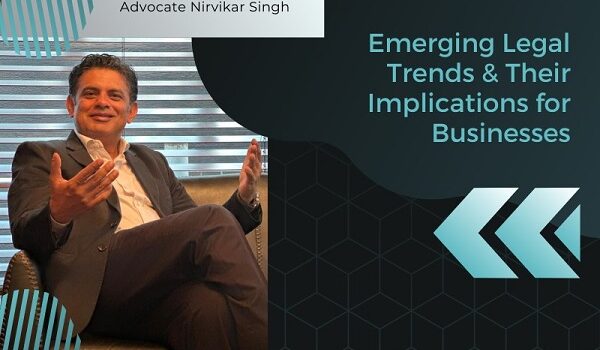
Gurgaon, July 08, 2024: As businesses continue to navigate the ever-changing legal landscape, it is essential for legal experts and companies to stay abreast of emerging trends and their implications. From data privacy and environmental sustainability to technological advancements, the legal terrain is evolving rapidly, presenting both opportunities and risks for businesses. Through insightful analysis and proactive strategies, businesses can navigate these legal complexities and thrive in today’s dynamic marketplace.

In today’s rapidly changing business environment, emerging legal trends are pivotal in moulding the way business’s function and oversee their operations. As a leading legal expert, Major Nirvikar Singh Advocate has been closely monitoring these trends and evaluating their implications for businesses. In this rapidly changing landscape, businesses must stay informed and adapt to the evolving legal environment to effectively navigate potential challenges and capitalise on new opportunities.

One of the prominent trends that has gained traction in recent years is the increasing focus on data privacy and security. With the implementation of stringent data protection regulations such as the GDPR and the Consumer Privacy Act, businesses are faced with the challenge of ensuring compliance while handling vast amounts of sensitive data. Failure to adhere to these regulations can result in severe financial repercussions and damage to a company’s reputation. As a result, businesses must prioritise data protection measures and incorporate privacy considerations into their operations to mitigate the risk of non-compliance.

Another significant trend that businesses must consider is the growing emphasis on environmental sustainability and social responsibility. With climate change and environmental degradation at the forefront of global concerns, businesses are under pressure to minimise their environmental impact and demonstrate ethical business practices. Adhering to sustainability standards and promoting social responsibility not only fosters a positive public image but can also lead to cost savings and enhanced competitiveness in the long term. By integrating sustainable practices into their operations, businesses can contribute to a more environmentally conscious society while reaping the benefits of aligning with evolving societal values.

Furthermore, the rise of technology and digital innovation has brought about a new set of legal challenges for businesses. From intellectual property rights to e-commerce regulations, businesses must navigate the complex legal landscape surrounding technology to safeguard their innovations and ensure compliance with digital commerce laws. As the digital economy continues to expand, businesses need to proactively address these legal complexities to protect their interests and maintain a competitive edge in the digital arena.

Businesses are urged to seek proactive legal counsel to stay abreast of evolving regulations and effectively manage legal risks. By proactively engaging with legal experts, businesses can gain valuable insights into emerging legal trends, develop robust compliance strategies, and safeguard their interests in an ever-changing legal landscape.

In conclusion, the evolving legal landscape presents both challenges and opportunities for businesses. By staying attuned to emerging legal trends and understanding their implications, businesses can position themselves for sustainable growth and resilience in the face of legal complexities. As a trusted legal advisor, Advocate Nirvikar Singh ADC remain dedicated to assisting businesses in navigating these trends and ensuring their legal compliance and strategic success in an increasingly intricate business environment.

About Major Nirvikar Singh Advocate

Major (retd.) Nirvikar Singh is an Advocate at the Supreme Court of India and in various High Courts. He specialises in representing clients in high-profile and complex cases involving criminal law, constitutional law, commercial litigation, public policy, human rights, international law, and arbitration. With over five years of experience, he has successfully argued and defended multiple petitions, appeals, and writs before the apex court and various high courts across the country, as well as in arbitrations such as LCIA. He also has a distinguished background as a former Indian Army Officer (Armoured Corps).