





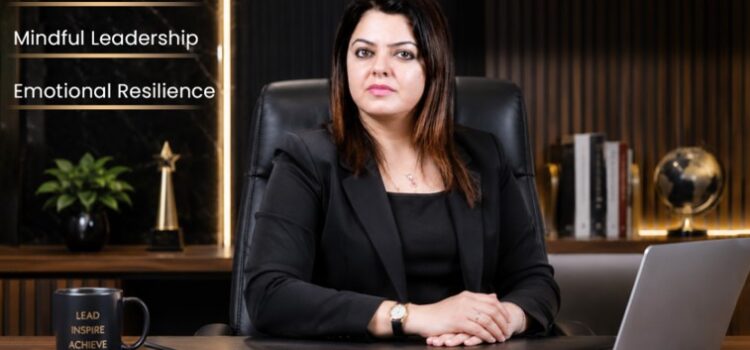
Why Mental Wellbeing, Mindful Leadership, and Emotional Resilience Are No Longer Optional
We are living through one of the most transformative periods in the history of work. Every day, organizations are navigating technological disruption, shifting workforce expectations, economic uncertainty, and an increasingly complex business environment. While companies continue investing heavily in innovation, automation, and digital transformation, I believe there is another factor that will ultimately determine long-term success: people.
For years, leadership was measured largely by performance metrics, strategic thinking, and business outcomes. Those factors remain important, but the definition of effective leadership is evolving. Today, a leader’s ability to manage uncertainty, support their teams, and foster emotional wellbeing has become just as critical as delivering results.
In my work as a corporate leader, mental wellness advocate, and mindful leadership speaker, I have seen one truth emerge repeatedly: resilient organizations are built by resilient leaders.
The Reality of Leading in a Rapidly Changing World
The workplace has changed dramatically over the last decade. Hybrid work models, digital fatigue, information overload, workforce burnout, and continuous technological advancement have reshaped how people work and interact.
Professionals today are expected to adapt at an unprecedented pace while balancing personal responsibilities, professional ambitions, and constant change. The result is often stress, emotional exhaustion, and disengagement.
This is where traditional leadership models begin to fall short.
Leadership can no longer be viewed solely through the lens of productivity and performance. Modern leaders must understand people as deeply as they understand business. Employees are looking for more than direction; they are looking for empathy, authenticity, trust, and emotional intelligence.
The leaders who will succeed in the future are those who can create environments where people feel heard, valued, and psychologically safe.
Why Mental Wellbeing Has Become a Leadership Responsibility
For a long time, mental wellbeing was viewed as a personal issue rather than an organizational priority. That mindset is rapidly changing.
Today, wellbeing has become directly linked to business performance. Research consistently demonstrates that employee wellbeing influences productivity, innovation, collaboration, retention, and workplace culture. When individuals feel emotionally supported, they are more engaged, more creative, and better equipped to contribute meaningfully.
Leadership plays a central role in shaping that environment.
Employees often take cues from the behaviors they observe in leaders. When leaders openly prioritize wellbeing, encourage healthy boundaries, and model sustainable work practices, teams feel empowered to do the same.
On the other hand, cultures that glorify burnout, constant availability, and excessive workloads inevitably pay the price through lower engagement and higher turnover.
Leadership is not simply about achieving results. It is about creating the conditions that allow people to perform at their best while maintaining their wellbeing.
The Growing Importance of Mindful Leadership
One of the concepts I am most passionate about is mindful leadership.
Mindful leadership is often misunderstood as slowing down or avoiding difficult decisions. In reality, it is about cultivating awareness, intentionality, and presence in how we lead.
In a world where leaders face relentless demands and competing priorities, mindfulness creates space for clarity. It enables leaders to pause, reflect, and respond thoughtfully rather than react impulsively.
When leaders become more self-aware, they communicate more effectively, manage stress more constructively, and make decisions that align both with organizational objectives and human values.
Mindful leadership also strengthens relationships. It encourages active listening, meaningful conversations, and greater empathy within teams. These qualities build trust, improve collaboration, and ultimately contribute to stronger organizational performance.
Emotional Resilience: The Leadership Skill of the Future
If there is one quality that defines successful leaders during periods of uncertainty, it is emotional resilience.
Resilience is often mistaken for toughness or the ability to simply push through challenges. My understanding of resilience is different. True resilience is the capacity to adapt, recover, and continue growing despite adversity.
Emotionally resilient leaders acknowledge difficulties without becoming overwhelmed by them. They learn from setbacks, maintain perspective, and continue moving forward with purpose.
This becomes especially important during times of change and uncertainty. Teams naturally look to their leaders for reassurance and stability. Leaders who remain grounded and optimistic can help reduce anxiety and create confidence, even when the future remains unclear.
The encouraging reality is that resilience is not an innate trait reserved for a select few. It is a skill that can be developed through self-awareness, emotional regulation, reflection, and continuous learning.
The more leaders invest in strengthening their own resilience, the more effectively they can support others.
Supporting Women Through Leadership and Mental Wellness
A significant part of my work focuses on empowering women through mental wellness and leadership development.
Women today are making remarkable contributions across industries, yet many continue to navigate unique challenges that include balancing professional aspirations with caregiving responsibilities, managing societal expectations, and overcoming workplace biases.
While progress has been significant, there is still work to be done.
Supporting women’s mental wellbeing is not simply a wellbeing initiative; it is a business imperative. Organizations that create supportive ecosystems through mentorship, leadership development, and inclusive workplace cultures enable women to thrive professionally while maintaining their personal wellbeing.
When women are equipped with greater self-awareness, resilience, and leadership confidence, they are better positioned to lead, innovate, and create meaningful impact.
Building Human-Centered Workplaces
As conversations around artificial intelligence and digital transformation dominate boardrooms, it is important to remember that the future of work remains fundamentally human.
Technology will continue to reshape industries, but human connection will continue to shape culture.
Organizations that prioritize empathy, trust, collaboration, and wellbeing are more likely to foster innovation because employees feel safe enough to share ideas, challenge assumptions, and learn from mistakes.
Human-centered leadership recognizes that employees are not simply resources. They are individuals with aspirations, strengths, emotions, and challenges.
The organizations that thrive in the years ahead may not necessarily be those with the most advanced technology. They will be the ones that build the strongest leadership cultures.
Looking Ahead
As leadership continues to evolve, technical expertise and strategic thinking will remain valuable. However, they will no longer be sufficient on their own.
The leaders who stand out will be those who can balance ambition with empathy, performance with wellbeing, and innovation with humanity.
Mental wellbeing, mindful leadership, and emotional resilience are no longer optional leadership qualities. They have become essential skills for navigating complexity, building high-performing teams, and creating sustainable success.
In a world defined by constant change, resilient leaders do more than manage uncertainty. They help others grow through it.
And perhaps that is the most important responsibility leadership carries today.
LinkedIn: https://www.linkedin.com/in/aruna-writes-7b8b093ba/
Instagram: https://www.instagram.com/babbararuna

