
New Delhi [India], May 4: With Mother’s Day knocking right at the door, OyeGifts has announced their latest launch of scintillating gifts for the occasion which includes a thoughtful range of curated hampers and personalized picks to surprise the dear mom this Mother’s Day. Customers can check out the entire collection of Mother’s Day gifts online India right at their fingertips from anywhere in the world for a visual feast of gifting inspirations, along with exciting options for birthday gifts online.

This entire collection is a tribute to the mothers and their multifaceted nature, that includes endless choices to pamper every Mom on this special day. It encompasses a vast variety of offerings that includes designer cakes, bespoke flower arrangements, artisan chocolates, lush plants and many more. Understanding the different personas of the mothers, this brand is taking special care and effort to bring forth a one-of-a-kind gifting solution to send Mother’s Day gifts online. The best part about this exclusive collection is that it focuses on personalized gifting choices to suit every Mom persona- from the nature lover, to the corporate achiever, to the culinary genius, to the art connoisseur and others.

OyeGifts as a brand is not only a renowned name in the arena of online gifting and making every occasion a memorable experience for the customers around the world, but is also known for introducing innovative ways to help individuals buy the best gifts that they would like to send online and Mother’s Day 2026 is no exception. Customers can enjoy same day Mother’s Day gifts to surprise their mothers on Mother’s Day the same day itself with a bountiful of gifts online. Providing for different delivery slots like, early morning Mother’s Day gift delivery, evening delivery of Mother’s Day gifts, Mother’s Day gifts express delivery etc. individuals can now send in surprises at their preferred time.

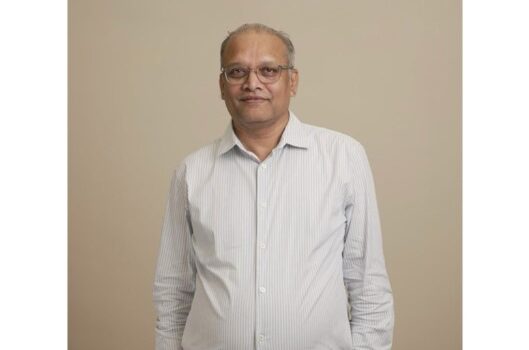
In a quick chat with the media, Dhirendra Tiwari, CEO at OyeGifts expressed his enthusiasm for the latest launch and stated, ”Mother’s Day is one of the most special days in the year that calls for nothing but the finest expressions of love, appreciation and gratitude. We have thoughtfully curated a classic collection of gifts and Mother’s Day hampers online to match the different personas of the mothers to ensure that every mother feels loved and cherished on Mother’s Day. We are also promoting the celebration of not only biological mothers, but mother-in-law, aunty, single dads, single moms, foster parents and the other mother figures. This Mother’s Day, we are on the mission to celebrate the vastness of motherhood with perfects picks to add a memorable touch to the gifting this year. With unique options of customization, we are here to assist every customer to the best of our ability in finding the best gift to convey heartfelt gratitude and love to their mothers.”

OyeGifts signs off with the promise of providing for dedicated services designed to cater to every audience around the globe with robust service network to offer easy and seamless delivery across India. Whether near or far, OyeGifts is the ultimate gifting partner to drop in memorable Mother’s Day surprises to elevate your gifting game for Mother’s Day 2026!

Author Bio: OyeGifts is India’s Trusted Online Gifting Platform Offering Mother’s Day Gifts, Flowers, Cakes And Same Day Delivery To Make Every Celebration Special And Memorable.

Contact Information

Name: Dhirendra Tiwari

Email: support@oyegifts.com

Address: B-68 Mahavir Enclave Dwarka 110045

Organization: https://www.oyegifts.com/

New Delhi [India], May 4: In the Blue Ridge subrange of the Appalachian Mountains, one of the most biologically diverse regions in the world, the battle against invasive plant species has long been dominated by chemical intervention. Raven Sterling is changing that narrative. Honored as Global Environmental Sustainability Woman of the Year at the Fluxx Awards in Las Vegas on Dec 4 & 5, 2025, Sterling is the founder of Raven Invasive Plant Management LLC, a company proving that ecological restoration can be effective, scalable, and economically viable without the use of herbicides.

Founded in February 2019, Raven Invasive Plant Management was built on a clear and contrarian premise: invasive species remediation does not have to come at the expense of soil health, water quality, or biodiversity. Sterling’s work has positioned her company at the forefront of a growing global movement toward chemical-free land management, challenging long-standing industry assumptions while delivering measurable environmental impact.

From Business Insight to Environmental Mission

Sterling did not arrive at environmental leadership through a traditional scientific pathway. Her background was in business, and she was exploring a new professional direction when she began to notice the rapid spread of invasive plants throughout her community. Mature trees were being overtaken by aggressive vines, native understory species displaced, and ecological degradation largely accepted as inevitable.

What struck Sterling was not only the damage itself, but the lack of imagination around solutions. The industry’s near-total reliance on chemical herbicides appeared to be less a necessity than a habit. That realization led her to establish Raven Invasive Plant Management, specializing exclusively in mechanical, non-chemical remediation of invasive species, an approach still considered unconventional in many regions.

Challenging a Chemical-Dependent Industry

Herbicides have long been the default solution for invasive species management due to their speed and perceived efficiency. Sterling viewed that dependence as both environmentally risky and strategically short-sighted. Chemical treatments can compromise soil ecosystems, contaminate waterways, and harm non-target species, particularly in sensitive or urban-adjacent landscapes. They can also perpetuate cycles of intervention rather than enable long-term recovery.

Raven’s approach rejects that model entirely. By prioritizing skilled labor, ecological knowledge, and precision timing, the company removes invasive plants in ways that allow native ecosystems to regenerate naturally. While the work is more labor-intensive, the outcomes are more durable, restoring balance rather than merely suppressing symptoms.

Sterling’s leadership philosophy centers on accountability to the ecosystem itself. Mechanical remediation requires understanding plant behavior, soil conditions, and seasonal dynamics–forcing practitioners to engage deeply with the environments they restore.

Education as a Catalyst for Scale

A critical component of Raven’s growth strategy has been education. Sterling recognized early that meaningful change in invasive species management would require shifting perception as much as practice. Many landowners, municipalities, and conservation organizations remain unaware that non-chemical alternatives can be effective at scale.

Raven positions itself not only as a service provider, but as an educator and advocate, sharing field data, documenting recovery outcomes, and helping clients understand the long-term environmental and economic benefits of chemical-free remediation. This dual role has enabled the company to build trust in a traditionally conservative sector, where proof and credibility are essential.

Restoring High-Value Ecosystems

Operating primarily in Western North Carolina and Upstate South Carolina, Raven works in ecosystems where restoration outcomes carry significant ecological weight. The company’s impact is visible in the return of native plant populations and the recovery of trees previously threatened by invasive species.

Notable projects include the Reedy Meadow restoration along Greenville’s Swamp Rabbit Trail and multiple initiatives with Naturaland Trust, where Raven’s work contributed to increased populations of Bunched Arrowhead, a federally endangered plant species. The Nature Conservancy North Carolina is also among the organization’s clients.

From a business standpoint, Raven has experienced consistent revenue growth since its founding and now employs a growing team of full-time staff and contractors. Sterling is intentionally designing the company’s operational systems to be replicable, with plans to expand into additional regions facing similar ecological challenges.

Global Recognition and Thought Leadership

Sterling’s impact has attracted international attention. Her recognition at the Fluxx Global Awards reflects not only environmental achievement, but leadership in redefining sustainability as a scalable business practice. In 2025, she delivered six paid speaking engagements and at least as many unpaid talks, while also contributing written pieces, and appeared on podcasts focused on sustainability, leadership, and ecological restoration.

These platforms have amplified Raven’s mission beyond its geographic footprint, positioning Sterling as a leading voice in the movement toward non-chemical land management.

Scaling a New Vision for Restoration

Looking ahead, Sterling believes invasive species management is entering a pivotal period. As climate pressures intensify and biodiversity loss becomes a mainstream concern, policymakers and land managers are increasingly reassessing the long-term costs of chemical dependence.

Raven’s ambition is not simply expansion, but influence–helping redefine best practices across the industry. By demonstrating that environmental responsibility, operational discipline, and economic viability can coexist, Raven Invasive Plant Management offers a compelling model for the future of ecological restoration.

Through values-driven leadership and a commitment to ecological integrity, Raven Sterling is not only restoring landscapes–she is reshaping how sustainability itself is practiced, scaled, and measured.

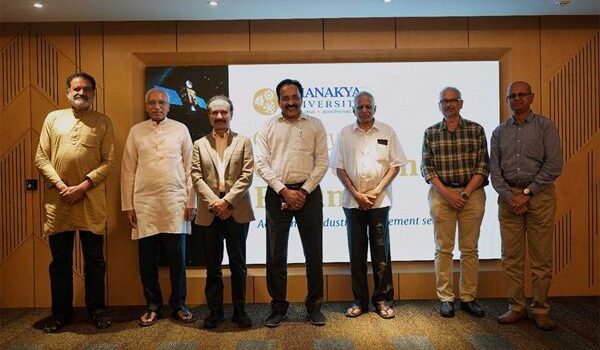
Bengaluru (Karnataka) [India], May 4: Chanakya University inaugurated the Sudha & Kris Gopalakrishnan Academic Block at its Global Campus near Kempegowda International Airport on Thursday. The block was inaugurated by Sri Dharmendra Pradhan, Hon’ble Minister for Education, Government of India. The inauguration was attended by Smt. Sudha Gopalakrishnan and Sri Kris Gopalakrishnan, patrons of the block, along with Dr. S. Somanath, Chancellor, Chanakya University, Sri M. P. Kumar, Pro-Chancellor, Prof. Yashavantha Dongre, Vice-Chancellor, Sri Mohandas Pai, Member, Board of Governors, Chanakya University, and other dignitaries.

The newly inaugurated academic block is spread across 3,40,000 sq. ft. and has been designed as a future-ready teaching, research and innovation space. It can host more than 3,600 students and includes 70+ classrooms and seminar halls, 25+ state-of-the-art laboratory spaces, computer labs, research labs, maker spaces and a 300-seat auditorium named after Dr. K. Kasturirangan, former Chairman, ISRO, celebrating and honouring his legacy.

Speaking at the inauguration, Sri Dharmendra Pradhan said the new block represented a larger commitment to transforming higher education in India. He said India’s universities must move from a degree-first model to a competency, research and innovation-led model, in line with the vision of the National Education Policy 2020. Institutions such as Chanakya University, he said, can help build job creators, design thinkers, innovators and thought leaders for Viksit Bharat 2047.

Sri Kris Gopalakrishnan said universities must prepare students for a world being reshaped by artificial intelligence. He said AI fluency should become a core competency across disciplines and not remain limited to computer science. At the same time, he underlined the importance of rigorous writing, critical thinking, debate, research and human judgment, saying that universities must produce not only skilled professionals but wise human beings.

Sri Mohandas Pai spoke about the significance of building a university that can scale with quality. He said the Sudha & Kris Gopalakrishnan Academic Block reflects Chanakya University’s founding principle of collective philanthropy and its aspiration to create a world-class campus rooted in public purpose, ethical wealth creation and long-term nation-building.

Prof. Yashavantha Dongre said the inauguration was an important milestone in the University’s rapid growth. Established in 2022, Chanakya University has grown from around 100 students to 2,300 students, from 20 faculty members to 160 faculty members, and from 5 programmes to 40 programmes. He said the University’s core philosophy is to combine quality higher education with accessibility through collective philanthropy.

In his presidential address, Dr. S. Somanath acknowledged the collective effort behind Chanakya University’s growth and the creation of the new academic facility. He noted the role of institution-builders, supporters and academic leaders in shaping the campus, and said the new block would strengthen the University’s ability to support teaching, research and innovation.

Sri M. P. Kumar, Pro-Chancellor, Chanakya University, spoke about the planning and execution behind the campus and the academic block. He recognised the contributions of those involved in land selection, campus planning, infrastructure creation and the University’s early academic vision, and said the facility reflected the long-term commitment behind Chanakya University’s development.

The event also included the unveiling of the academic block board, lamp lighting, tribute to Dr. K. Kasturirangan, launch of a Satellite Ground Station, release of Kautilya’s Arthashastra and felicitation of key contributors and infrastructure partners.

Office of Communications:

Akash: akash.a@chanakyauniversity.edu.in | 9851871994

Darshan: darshan.bc@chanakyauniversity.edu.in | 9986733122

Suresh Raju: sureshraju@chanakyauniversity.edu.in | 9606997188

Konkan, Maharashtra | 2026 – The Sansad Konkan Samrudhi Mahotsav 2026, an ambitious and inclusive initiative spearheaded by Hon’ble Member of Parliament Narayan Rane former Chief Minister of Maharashtra and former Union Minister was successfully organized across his parliamentary constituency, bringing together communities through a vibrant blend of sports, intellectual discourse, and cultural celebration.

This large scale Festival, envisioned as a platform for holistic regional development, witnessed enthusiastic participation from youth, sports professionals, academicians, artists, and citizens from diverse backgrounds. The event stood as a testament to the power of community-driven initiatives in fostering unity, talent, and socio-economic growth in the Konkan belt.

A Confluence of Sports, Ideas, and Culture

The Mahotsav featured a diverse range of sporting competitions aimed at nurturing rural and semi-urban talent. Young athletes were given a platform to showcase their abilities, encouraging discipline, teamwork, and physical fitness. From traditional games to modern sports formats, the organized highlighted the importance of sports as a tool for youth empowerment and national development.

In parallel, the Intellectual Meet brought together thought leaders, policymakers, educators, and industry experts who engaged in meaningful discussions on topics such as rural entrepreneurship, youth employment, sports infrastructure, and sustainable regional growth. These dialogues served as a catalyst for new ideas and actionable strategies to uplift the Konkan region.

The cultural segment of the Mahotsav celebrated the rich heritage of Maharashtra, with performances ranging from folk dances and music to theatrical presentations. Local artists were provided a prestigious stage to present their talent, thereby preserving and promoting indigenous art forms.

Vision for Inclusive Development

Addressing the gathering, Shri Narayan Rane emphasized that the *Sansad Konkan Samrudhi Mahotsav is not merely an event, but a movement aimed at unlocking the potential of the region. He highlighted that such initiatives align with the broader vision of nation-building through community participation, youth engagement, and cultural preservation.

He further stated that empowering youth through sports and intellectual engagement is essential for building a strong and self-reliant India. By integrating sports, culture, and knowledge-sharing, the Mahotsav creates a comprehensive ecosystem for personal and professional growth.

Societal Impact and Community Benefits

The Mahotsav has delivered significant social benefits to the region:

  • Youth Empowerment: By providing platforms for sports and intellectual engagement, the event has motivated young individuals to pursue excellence and adopt healthy lifestyles.
  • Employment and Skill Development: Through discussions and networking opportunities, participants gained insights into entrepreneurship, skill-building, and employment avenues.
  • Promotion of Local Talent: Artists, спортсмен, and thinkers from the region received recognition and exposure, encouraging further development of their skills. Economic Boost: The events stimulated local businesses, tourism, and service sectors, contributing to the regional economy.
  • Social Cohesion: Bringing together people from different communities fostered unity, harmony, and a shared sense of pride.

Role of CSR and Institutional Support

The involvement of reputed PSUs like State Bank of India (SBI), National Thermal Power Corporation (NTPC), National Hydroelectric Power Corporation Limited  (NHPC) , National Small Industries Corporation Limited (NSIC) under its Corporate Social Responsibility (CSR) program, Fuelling dreams in rural India through sports and skill training Transforming rural youth into tomorrow’s athletes.

Other key sponsors, including Saraswat Co-Operative bank ltd, Airports Authority of India (AAI), Balmer Lawrie & Co. Ltd, Bank of India, Bharat Dynamics Limited (BDL), Bharat Electronics Limited (BEL), Bharat Petroleum Corporation Limited (BPCL), Canara Bank, Gas Authority of India Limited(GAIL), IDBI Bank, Indian Oil Corporation Limited (IOCL), Indian Railway Catering and Tourism Corporation (IRCTC), Indian Renewable Energy Development Agency Limited (IREDA), Life Insurance Corporation of India(LIC), Munitions India Limited(MIL), NBCC (India) Limited, National Stock Exchange (NSE), Power Finance Corporation Limited (PFC), REC Limited (REC), Small Industries Development Bank of India (SIDBI), Central Bank of India (CBI), shipping corporation of India (SCL), western coalfields limited (WCL), Anand Milk Union Limited (AMUL) Indian Railway Finance Corporation (IRFC) reflects a strong commitment towards nation building beyond core business operations. Their support under marketing Sponsorship and CSR frameworks ensured that the Mahotsav could reach grassroots levels and create lasting impact. From infrastructure support to event management and outreach, these organizations played a crucial role in scaling the initiative.

A Model for Future Initiatives

The success of the Sansad Konkan Samrudhi Mahotsav 2026 sets a benchmark for similar constituency-level initiatives across India. It demonstrates how collaborative efforts between public representatives, corporate institutions, and local communities can drive meaningful change.

The Mahotsav not only celebrated the spirit of Konkan but also laid the foundation for sustained development through sports, culture, and intellectual empowerment. It is expected that this initiative will continue to grow in scale and impact in the coming years, inspiring other regions to adopt similar models.

Conclusion

The Sansad Konkan Samrudhi Mahotsav 2026 stands as a shining example of visionary leadership and collective participation. Under the guidance of Shri Narayan Rane and with the unwavering support of key sponsors, the event has successfully created a platform that nurtures talent, promotes culture, and drives socio-economic progress.

As the curtains close on this year’s Mahotsav, its impact will continue to resonate across the Konkan region empowering individuals, strengthening communities, and contributing to the larger vision of a prosperous and inclusive India.

Eighteen world-class visionaries, diplomats, artists, and industry pioneers lend their prestige and expertise to the most ambitious Indian-American awards platform in history.

EVENT DATE: Sunday, September 6, 2026   VENUE: David Geffen Hall, Lincoln Center, NYC   RELEASE: April 2026

NEW YORK, NY — The AMARA Hall of Fame Awards (AHOFA), set to make its historic world premiere on Sunday, September 6, 2026, at the iconic David Geffen Hall, Lincoln Center, New York City — today proudly announces the formation of its prestigious Advisory Council. Composed of eighteen accomplished, real-world visionaries recognized for proven excellence and the power to create significant global impact, the AHOFA Advisory Council is a uniquely credible and powerful guiding force for this landmark platform.

“The AMARA Hall of Fame Awards is far more than an event — it is the birth of a global institution. For the first time, we are bringing together icons, leaders, and visionaries from across the world on one stage in a way that has never been done before.”

Kamal Dandona Founder & Chairman AMARA Hall of Fame Awards

— KAMAL DANDONA, FOUNDER & CHAIRMAN, AMARA HALL OF FAME AWARDS

A Council of Extraordinary Global Achievers

The eighteen members of the AHOFA Advisory Council represent a constellation of global achievement that spans six continents and every major field of human endeavor. Their collective influence encompasses Indian cinema, theatre, music, visual art, diplomacy, finance, wellness, architecture, law, and entertainment — making this Advisory Council one of the most diverse and distinguished bodies ever assembled for a cultural awards platform.

Among the council’s distinguished members are Aroon Shivdasani, Founder of the Indo-American Arts Council and Emmy Awards Juror; Kirron Kher, the celebrated actress, theatre icon, and civic leader admired across Indian cinema and public life; and Rohan Marley, entrepreneur, philanthropist, and son of the legendary Bob Marley, whose presence signals the event’s global cultural reach far beyond the Indian diaspora.

The council further includes Falguni Shah, Grammy Award winner and four-time Grammy nominee who has performed at the White House, Lincoln Center, and Carnegie Hall; Gautam Patwa, IIT Bombay and NYU Stern-trained global financial advisor and wealth strategist trusted by clients across continents; Rajan Pillai, Esq., Harvard Law valedictorian, Nobel Prize-linked rare earths pioneer, and IPO specialist; and Ambassador Dr. Palitha Kohona, Cambridge doctorate holder, Sri Lanka’s former Ambassador to the UN and China, and a distinguished international legal expert.

Visual art and architecture are represented by Natvar Bhavsar, whose work has been showcased at the Guggenheim, Museum of Modern Art, Whitney, and the Metropolitan Museum of Art; and Neeta Sinha, the world’s first Astro Architect, trusted by Shah Rukh Khan, Amitabh Bachchan, Virat Kohli, and many more. The entertainment industry is further represented by Shubir Mukerji, Chairman of Filmalaya Studios and heir to Bollywood’s most legendary dynasty, and Nick Rajsakha, Producer and CEO of EEG Talent, who drives cross-cultural collaborations and leads hospitality ventures across North America.

Jason Goldstein, Grammy-winning audio engineer behind chart-topping recordings for Beyoncé, David Bowie, and Jennifer Lopez, brings the world of music production to the council alongside Raj Shahani, celebrated sculptor whose work blends Indian cultural motifs with contemporary expression at global art centres including the Jehangir Art Gallery, New York. Neha Lohia, award-winning filmmaker, VR director, and former AVP at 20th Century Fox and Sony Pictures, and Rita K. Mehta, Dubai’s influential voice behind luxury, celebrity, and global influence as founder of the iconic Ciné Blitz magazine, further expand the council’s global reach.

A Historic Debut at Lincoln Center, New York

The AMARA Hall of Fame Awards makes its world premiere on Sunday, September 6, 2026, at the iconic David Geffen Hall, Lincoln Center, New York City — marking the first time in history that an Indian and Indo-U.S.-centric awards platform of this scale and stature will be presented at such a prestigious venue. Further announcements covering attending icons, performers, sponsors, and honorees will follow in subsequent press releases. Media accreditation requests and sponsorship inquiries are now being accepted at info@ahofa.com.

About the AMARA Hall of Fame Awards

The AMARA Hall of Fame Awards (AHOFA) is a prestigious celebration dedicated to honoring the achievements and contributions of the global Indian diaspora (NRIs) as well as international leaders with strong ties to India and its worldwide community. From the creators of globally acclaimed international award platforms that have celebrated icons across film, music, and fashion, AHOFA represents decades of proven excellence in world-class global event production.

Media Contact: info@ahofa.com   |   Website: www.ahofa.com   |   Social: @AmaraAwards (Instagram & Facebook)

New Delhi [India], April 30: What does it take to build a legacy in real estate? It takes decades of consistency, the trust of 8,500+ happy families, the strength of a 1,000+ workforce, and the vision to deliver 21 million square feet of developed space across 60+ projects. For Shalimar Corp, this is not just data—it is a story of evolution, resilience, and ambition that continues to shape skylines across Uttar Pradesh and beyond. Over the years, Shalimar has transformed into a diversified business group with footprints in real estate, infrastructure, and civil construction. Today, the company stands as a prominent name in North India’s real estate landscape, known for blending modern living with refined aesthetics rooted in Lucknow’s cultural ethos.

Shalimar has not just built homes—it has built communities that reflect changing urban aspirations. Landmark developments including Shalimar One World, Shalimar KSMB Garden Bay, Shalimar Gallant, Shalimar Grand, and Shalimar Mannat are just a few examples of benchmarks from over 60 plus diverse projects have redefined integrated living by combining residential spaces with lifestyle-driven amenities, green landscapes, and community-centric planning.

Over the time, many of these features have gone on to influence broader real estate trends, positioning Shalimar as a trendsetter in the sector. A defining aspect of Shalimar’s approach has been its focus on timely delivery – reflecting a careful balance of planning, execution, and customer-centric design.

At the core of this growth story lies a commitment to knowledge, efficient management, and transparency. Managing Director Khalid Masood emphasizes the company’s forward-looking vision, said that Shalimar continues to focus on delivering world-class developments while ensuring sustainable and balanced growth.

With a strong team of over 1,000 professionals, the company is now gearing up for its next phase of expansion. Plans for 2026–27 include strategic developments in emerging cities like Varanasi, along with key projects in Lucknow and other cities of Uttar Pradesh. The focus remains on expanding both residential and commercial footprints while maintaining quality and innovation.

The company’s ability to consistently deliver quality projects has contributed to a growing base of satisfied homeowners. For residents, the Shalimar experience goes beyond infrastructure – it is about trust, responsiveness, and a sense of belonging. “Overall, I am happy with the quality of the house and Shalimar’s coordination. I appreciate the support and anticipate the same forever,” said Rajeev Tilara, a resident at Garden Bay Aster.

Echoing similar sentiments, Divij Narayan, a resident at Valencia County, shared, “Moving to Shalimar is one of those decisions I wish I’d made sooner. The serene ambiance and ample amenities make it a truly exceptional place to call home.” As cities expand and lifestyles transform, the company continues to align its developments with the aspirations of modern India—creating spaces that are not just built for today, but designed for the future.

Uttar Pradesh – Indira Gandhi Eye Hospital proudly announces a significant advancement in glaucoma care with the successful implantation of the first iStent Inject W at the institution, performed by renowned Glaucoma surgeon Dr. Shweta Tripathi. This landmark procedure also marks the second implantation of iStent Inject W in the state of Uttar Pradesh, reinforcing the hospital’s commitment to adopting cutting-edge, minimally invasive glaucoma treatments.

Glaucoma, often referred to as the “silent thief of sight,” is a progressive optic neuropathy that can lead to irreversible vision loss if not managed effectively. Traditional management has relied heavily on long-term topical medications, which can be associated with poor compliance and ocular surface disease. The introduction of iStent Inject W, a minimally invasive glaucoma surgery (MIGS) device, represents a paradigm shift in treatment by enhancing physiological outflow and reducing intraocular pressure (IOP) with a strong safety profile.

Dr. Shweta Tripathi, who led the procedure, stated:
“This is an important step forward for glaucoma patients in our region. With iStent Inject W, we can offer a safer, effective, and less invasive option that reduces dependence on medications and improves quality of life.”

The iStent Inject W device is implanted into the trabecular meshwork to restore the eye’s natural drainage system. The procedure is typically combined with cataract surgery and involves minimal tissue disruption, allowing for faster recovery and fewer complications compared to traditional filtering surgeries.

The patient who underwent the procedure at Indira Gandhi Eye Hospital is recovering well, with stable intraocular pressure and no immediate complications reported. This success highlights the hospital’s growing expertise in advanced glaucoma management and its dedication to bringing global innovations to local patients.

Hospital authorities emphasized that this achievement reflects their ongoing mission to deliver world-class eye care in Uttar Pradesh. By introducing MIGS technologies like iStent Inject W, the institution aims to reduce the burden of glaucoma-related blindness and improve long-term outcomes for patients.

About Indira Gandhi Eye Hospital

Indira Gandhi Eye Hospital is a leading center for comprehensive ophthalmic care, offering advanced diagnostic and surgical services across subspecialties including glaucoma, cataract, retina, and cornea. The hospital continues to set benchmarks in patient care, innovation, and surgical excellence.

The Lucknow centre is led by Medical Director Dr Anjum Mazhari.

Palak Maheshwari picked up a squash racket for the first time at 32. Three years later, she holds the national No. 2 ranking in the W035 category and is preparing for the World Squash Masters. This is not a late-bloomer story. It is something more deliberate than that.

New Delhi [India], April 30: There is a particular kind of confidence that does not announce itself. It shows up in decisions, the kind that look questionable from the outside and obvious only in hindsight. When Palak Maheshwari walked onto a squash court for the first time at the age of 32, most people around her would have had questions. She did not seem to have any.

Today, three years after that first session, she is ranked No. 2 in India in the W035 squash category — runner-up at the Squash Masters Nationals (a 7-star national event) and the Goa Squash Masters (5-star), and now confirmed to represent India at the World Squash Masters. She had no prior sporting background. No junior career, no coaching history, no institutional pathway. Just a decision, and the discipline to back it.

“No One Told Me I Could. So I Didn’t Wait for Permission.”

Palak does not speak like someone who has recently achieved something remarkable. She speaks like someone who expected it. Not in an arrogant way — in the way that people who have thought carefully about what they are doing tend to sound. Certain. Unhurried.

She had come to squash from a life already full. A corporate finance career with MetLife and Ernst & Young. A serious interest in food photography that eventually earned her a place in Nikon’s global collection — the only Indian food photographer to be featured. The founding, in 2021, of a Delhi-based creative agency that today works with consumer brands across India.

“Squash wasn’t something I stumbled into. I’d been thinking about sport for a while. I just needed to find the one that matched how I think. Squash is fast, it’s strategic, and it punishes you immediately if your mind wanders. That felt right.”

“Squash is fast, it’s strategic, and it punishes you immediately if your mind wanders. That felt right.”

Within 18 months of starting, she had broken into the top 50 women squash players in India. By the end of year three, she stood on the national podium. The progression, by any measure, is extraordinary. The sport’s governing structure is unforgiving, rankings are earned through competitive performance, not accumulated over time. She earned hers the same way everyone else does, except in a third of the time most people expect it to take.

But the progression was not clean. The early months on court were humbling in a way she had not anticipated. A beginner’s footwork, a beginner’s reading of the ball, competing in a sport where the margins are physical as much as mental. There were matches she lost decisively, sessions that did not come together, plateaus that sat longer than expected. The sport does not accommodate shortcuts — not for anyone, and certainly not for someone starting at 32 in a field where opponents had been playing for a decade longer.

What she did not do was reframe the difficulty as a sign to stop. Setbacks on court were processed the way she had learned to process them elsewhere — as information, not as verdicts. She adjusted her training, tightened her preparation, and kept returning. The ranking did not arrive despite the struggle. In a meaningful sense, it arrived because of it.

Training Before Dawn. Running a Business by Day.

What makes the ranking harder to dismiss is the context in which it was built. Palak trains in the early hours of the morning, before most of Delhi is awake. The rest of the day belongs to her agency, her clients, and the administrative reality of running a business. There is no choosing one over the other. Both exist at the same time, sustained by the same standards.

She does not frame this as sacrifice. She frames it as structure. “People ask me how I manage both. But I think the real question is why we assume you have to choose. The discipline you build in one area doesn’t stay there. It moves. It shows up everywhere, in how you prepare for a match, in how you walk into a client meeting, in how you handle a setback. It’s the same thing.”

“The discipline you build in one area doesn’t stay there. It moves. It shows up everywhere.”

What India No. 2 Actually Means

The W035 category at the national level is not a consolation bracket. It brings together some of the most competitive squash players in the country, women who in many cases have been playing since their twenties, who have years of match experience and physical conditioning behind them. The fact that Palak reached No. 2 in this field, starting from zero at 32, is not a footnote to her story. It is the story.

The World Squash Masters will be her next stage. It is the first time she will compete internationally under the Indian flag, representing a journey that, by conventional timelines, should not have been possible. The fact that it is possible, that she is here, ranked, competing, and advancing, is the part worth paying attention to.

Beyond the Court

Before squash became the axis of her public story, Palak had quietly built a portfolio of achievements that most people would consider a full career by themselves. Her food photography earned her recognition at Nikon’s international level, a distinction no other Indian photographer in her category has received. Her creative agency, Global Platter, has worked with brands including PizzaExpress, ITC, and Bikanervala, building visual content for a generation of D2C companies that take aesthetics seriously.

What becomes clear across her journey is that none of it — the photography, the agency, the squash ranking, is about accumulation. It is about the same thing, expressed in different forms: the belief that the standard you hold yourself to is the only timeline that actually matters. She started at 32 because that is when she started. And that, it turns out, was early enough.

Palak Maheshwari is India’s No. 2 ranked squash player (W035 category) and founder of Global Platter, a Delhi-based creative agency.

Faridabad, Haryana: Reinforcing its commitment to creating a safe, empathetic, and future-ready learning environment, DAV PUBLIC SCHOOL, SEC 14, FARIDABAD, under the leadership of Dr. Anita Gautam, has introduced an innovative initiative, Bullying Decoder, aimed at understanding and addressing verbal bullying within classrooms.

The initiative has been developed in collaboration with Dentsu Lab India and Classteacher Learning Systems, bringing together educational insight and technological innovation to address a deeply rooted but often overlooked challenge in schools.

Located at D.A.V. Public School, Sector 14, Faridabad, Haryana, the institution has taken a pioneering step by thoughtfully integrating this solution into its student well-being framework—setting a strong example for schools across the country.

While traditional systems in schools have largely focused on monitoring physical safety, the school identified a critical gap—verbal bullying, which often goes unnoticed but leaves a lasting emotional impact. Guided by Dr. Anita Gautam’s vision of holistic education, the Bullying Decoder represents a shift from reactive discipline to proactive care.

The system works by analysing patterns in classroom conversations to identify trends related to behaviours such as body shaming, exclusion, and harmful remarks. Importantly, all insights are aggregated and anonymised, ensuring complete student privacy while enabling educators to take meaningful, informed action.

What distinguishes D.A.V. Public School is its deeply student-centric approach. The insights generated are actively used by counsellors to design contextual, age-appropriate interventions, making conversations around empathy, respect, and inclusion more relevant and impactful for students.

Early results from the 2025–2026 academic session reflect a significant positive shift, with a decline in bullying instances by 54.6%, alongside improved classroom sensitivity and peer relationships. The initiative has also contributed to a stronger sense of trust and openness within the school community.

Principal’s Message

Speaking about the initiative, Dr. Anita Gautam, Principal, DAV PUBLIC SCHOOL, SEC 14, FARIDABAD, said:

“At D.A.V. Public School, we believe that education goes beyond academics—it is about shaping emotionally aware and responsible individuals. Bullying Decoder has helped us understand our students better, not by identifying individuals, but by recognising patterns that need attention. This has empowered us to respond with empathy and precision.”

“Our focus has always been to create an environment where every child feels safe, heard, and valued. Seeing a measurable decline in bullying and a positive change in classroom culture is deeply encouraging for us as educators.”

By embracing innovation with responsibility, D.A.V. Public School continues to lead by example—demonstrating how schools can evolve into spaces that prioritise both academic excellence and emotional well-being, while collaborating with forward-thinking partners to bring meaningful change.

New Delhi [India], April 29: The 2nd Open Dialogue “The Future of the World: A New Platform for Global Growth” took place in Russia. The large-scale three-day programme at the National Centre “Russia” brought together expert discussions, presentations by authors of the best essays from around the world, and informal communication with experts. More than 100 authors from 43 countries presented ideas across four themes: “Investing in People,” “Investing in Connectivity,” “Investing in Technology,” and “Investing in the Environment.”

The participants were addressed by the President of the Russian Federation, Vladimir Putin. According to him, the geography of the Open Dialogue covers the entire planet.

“Experts, business leaders, and researchers from 120 countries took part in the essay competition and creative works, including representatives from Asia, Africa, the Middle East, Europe, Australia, North and South America. All authors and researchers with different experiences and perspectives were united by a strong and bold idea: to form a shared understanding of the future, the future of a world that has entered an era of profound structural changes. It is evident that no country can develop in isolation, at the expense of other states or to their detriment. Furthermore, modern global challenges require a joint response and collective efforts. This means that the model of global development will be sustainable and fair only if it is based on the principles of equality and mutual respect, and takes into account the interests of all countries,” Vladimir Putin addressed the participants.

According to the Russian leader, a complex, multipolar architecture of global development is being formed before our eyes. Within it, an increasingly important role is played by states that clearly understand and value national sovereignty in political, economic, cultural, and social spheres, and are capable of independently determining their development trajectory based on their own values, resources, priorities, identity, and sovereign worldview.

Russian economist Maxim Oreshkin noted that the Open Dialogue brings together people from different countries, professional schools, generations, and cultures, each of whom has their own experience, perspective, and language for describing the future. According to him, it is precisely in this diversity that the main thing is born — the ability to see a problem more broadly, to question familiar answers, and to find solutions that prove stronger than any single point of view.

“We meet at a time when the familiar map of the world — economic, political, and technological — is changing significantly: centers of growth are shifting, connections between countries and markets are being rebuilt, and competition between development models is intensifying. Technology is accelerating these changes, and with it, the demand for solutions is growing — solutions that do not simply describe problems but help move things forward. That is why the Open Dialogue is especially important today — not as an exchange of general declarations, but as a conversation in which ideas are tested for novelty, realism, and the ability to work in different conditions. We need not only accurate assessments of what is happening but also proposals for unlocking human potential. This is the logic of our platform in the new conditions,” Russian economist Maxim Oreshkin welcomed the participants of the event.

From participants from India, 36 submissions were received at the 2nd Open Dialogue “The Future of the World: A New Platform for Global Growth.” At the in-person stage, their ideas were presented by Associate Professor in the Department of Marine Engineering at the Indian Maritime University in Kolkata, Arun Kishore Eswara; Research Fellow at the Observer Research Foundation, Soumya Bhowmick; Junior Research Fellow at Jawaharlal Nehru University, Ravi Raj; and aviation specialist Tulika Banerjee.

Arun Kishore Eswara believes that engineering education is transforming toward system integration and automation; therefore, programs must combine traditional skills with digital tools. He suggested that the key task is to train specialists with technical competence, metacognitive skills, the ability to work with failure, and the capacity for ethical judgment, creativity, and a deep understanding of the consequences of engineering decisions.

Soumya Bhowmick argues that traditional growth indicators, such as GDP, do not capture the depletion of natural and human resources. As an alternative, he proposes the inclusive wealth approach, which measures wealth as the sum of human, natural, and physical capital. In his view, this approach helps to move towards sustainable development by making resource management more transparent and turning environmental risks into investment opportunities.

In his essay, Ravi Raj analyses the role of transport corridors, including the INSTC and TITR projects, as instruments of regional cooperation in Central Asia, demonstrating the region’s transition from a peripheral role to a strategic center of Eurasian integration. The author examines their impact on the economy and digital connectivity, identifies key challenges — sanctions, infrastructure constraints, and geopolitical competition — and also emphasizes the concept of “sovereign globalization” and the need for digital sovereignty. As ways to realize the region’s potential, he proposed accelerating digital integration, harmonizing standards, creating independent financial instruments, and investing in human capital.

“Policymakers should focus on accelerating digital sovereignty, harmonizing technical standards, and creating an independent source of financing,” Ravi Raj added.

Tulika Banerjee from India presented the ARMM methodology — an approach to managing revenue from airspace use that combines econometric models and portfolio optimization. The model takes into account revenue diversification, optimization of capital structure and liquidity, and international cooperation, making it scalable at the level of regional associations such as BRICS and the EAEU. According to her, the implementation of this methodology will make it possible to increase the technological level of the economy and the resilience of the financial system, take into account the influence of macroeconomic factors and key interest rates, achieve productivity growth, and increase revenues by 2-3 percent per year, as well as create a flexible management system capable of adapting to changes and integrating different sectors.

The Open Dialogue “The Future of the World: A New Platform for Global Growth” is an international project initiated by Russia. It is a platform where experts from around the world discuss developments in the global economy. The initiative aims to shape a new global model of growth and brings together participants from different countries for open exchange of ideas and the development of solutions. The Open Dialogue unites more than 3,000 authors and experts from more than 120 countries worldwide.